Reviewing the Au-some Mom Autism SVG for Embroidery
As a designer who spends half my life digitizing and the other half stitching, I have learned that not every graphic translates well to thread. When I first pulled up the Autism Svg Design,au-some Mom file, my immediate reaction was one of cautious optimism. The concept is strong—celebrating neurodiversity with a clever play on words—but the execution in embroidery requires a keen eye for detail. This review breaks down how this design performs in real-world applications, moving beyond the digital preview to the tactile reality of stitched fabric.
First Impressions and Visual Personality
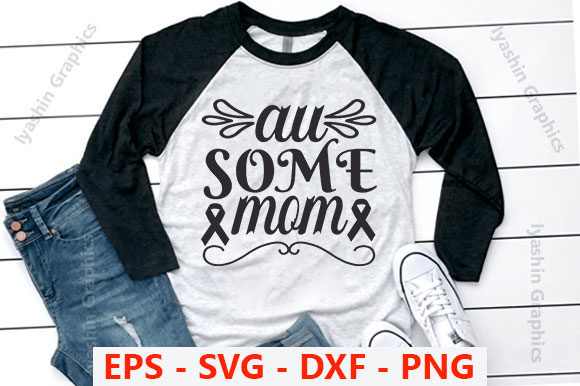
The mood of this design is warm, proud, and approachable. It avoids clinical or overly medical aesthetics, opting instead for a celebratory tone that resonates with families. Visually, the layout relies on clean lines and balanced spacing, which is crucial for machine embroidery. When evaluating any Graphics package for conversion, I look for closed shapes and consistent stroke widths. This design appears to have been created with vector precision, offering EPS, SVG, PNG, and DXF files in the ZIP archive. For those of us working in digitizing software, having the original EPS or SVG is invaluable for adjusting node points before generating stitch paths.
The visual personality suggests versatility. It is not overly ornate, which means it won’t compete with the texture of the fabric. Instead, it sits comfortably as a statement piece. Whether you are creating T-Shirt Designs for a walk event or a subtle accent on a nursery item, the aesthetic remains cohesive. The "Au-some" pun is clear and legible, provided the sizing is respected during the hooping process.
Real-World Application: The Custom Tote Scenario
To truly test a design, I imagine it on a specific product. Let’s consider a custom embroidered tote bag made from heavy canvas. This is a popular item for Etsy sellers and craft business owners targeting awareness months or family gatherings. Using the Autism Svg Design,au-some Mom here works exceptionally well because the sturdy fabric supports the stitch density without puckering.
In this scenario, I would recommend using a fill stitch for the larger graphical elements to ensure durability against frequent washing. The text portions might benefit from a combination of satin stitch for smaller letters and a lightweight fill for larger ones, depending on the final size. The result is a handmade product that feels premium and intentional. Customers often judge the quality of a personalized gift by the clarity of the stitching. A crisp, well-defined design builds trust and encourages repeat business for small shop product lines.
Performance on Apparel and Textiles
Moving beyond totes, let’s discuss custom apparel. This design shines on sweatshirts and hoodies, where the loft of the fleece can sometimes swallow fine details. Because this graphic has bold elements, it maintains its integrity even on textured fabrics. However, caution is needed when applying it to thin materials like jersey knits for t-shirts. Without proper stabilization, the pull of the threads can distort the fabric around the design.
For baby embroidery, such as on onesies or burp cloths, the scale must be reduced significantly. Here, the simplicity of the design is an asset. Complex, dense designs can feel stiff and uncomfortable against sensitive skin. By scaling down the Autism Svg Design,au-some Mom and using softer thread colors, you create a gentle, comforting finished product. Always test on scrap fabric first to ensure the stitch density does not compromise the softness of the garment.
Navigating Technical Challenges
While the design is robust, there are areas where careful planning is essential. If you are working with a small hoop size, such as a 4x4 inch hoop, you may need to split the design or reduce it to fit. Reducing it too much, however, risks losing the legibility of the text. Tiny lettering in embroidery can merge together if the stitch width is not adjusted correctly.
Another consideration is fabric color. On dark fabrics, light-colored threads provide excellent contrast, but they may require an underlay stitch to prevent the background fabric from showing through. Conversely, on white or light fabrics, ensure your thread colors have enough saturation to stand out. I always advise checking the design in a black-and-white mockup to verify that the contrast holds up regardless of color choices. This step is vital for maintaining professionalism in commercial embroidery projects.
Curved surfaces, like caps or hats, present another challenge. The design should be centered carefully, and a cut-away stabilizer is non-negotiable to prevent distortion after wear. An embroidered patch might be a safer alternative for headwear, allowing you to stitch the design on flat fabric before attaching it to the cap.
Enhancing Brand Value and Customer Engagement
For digital product sellers and creative entrepreneurs, the versatility of this file format is a significant advantage. The inclusion of PNG files allows for easy creation of printable mockup images for online listings. High-quality visuals drive buyer engagement. When customers see a realistic representation of the embroidery project, they are more likely to purchase.
Using this design in your portfolio signals inclusivity and awareness, which can strengthen brand consistency for shops focused on family-oriented or charitable products. It adds emotional value to the design assets you offer. Whether used for holiday embroidery gifts or year-round awareness items, the design fosters a connection with the buyer. It is not just a pattern; it is a message of support and pride.
Practical Notes for the Embroiderer
Before launching into production, keep these practical tips in mind:
- Test Stitch First: Always run a test on similar fabric to check for registration issues or thread breaks.
- Check Licensing: While the file includes multiple formats, confirm the license terms for commercial use if you plan to sell finished items.
- Thread Selection: Choose high-quality rayon or polyester threads to ensure sheen and durability. Matte cotton may look flat on certain fill areas.
- Stabilizer Choice: Match your stabilizer to your fabric. Tear-away for stable woven fabrics, cut-away for stretchy knits.
- Detail Inspection: Zoom in on the digital file to check for any overlapping nodes or open paths that could cause stitching errors.
The Autism Svg Design,au-some Mom is a solid addition to any designer’s library. It balances emotional resonance with technical feasibility. By respecting the material constraints and preparing your machine properly, you can produce a finished product that is both beautiful and meaningful. Whether you are an experienced Etsy seller or a hobbyist making gifts for friends, this design offers a reliable foundation for creative expression.